
Introduction
Influencer marketing isn’t just a buzzword anymore—it’s a core pillar of modern digital marketing. In a world where people trust people more than ads, influencers have become the bridge between brands and consumers. Think about your own habits for a second. When was the last time you bought something purely because of an ad? Now compare that to how often a recommendation from a creator, reviewer, or expert swayed your decision. Exactly.
Consumers today are tired of polished brand messaging. They crave authenticity, real experiences, and honest opinions. Influencers provide exactly that. They’ve already built trust with their audiences, and when done right, brands can tap into that trust without feeling intrusive or salesy. But here’s the catch: influencer marketing only works when it’s strategic. Randomly paying creators to post about your product is not a strategy—it’s a gamble.
A successful influencer marketing campaign requires planning, research, execution, and optimization. From defining your goals to measuring ROI and building long-term relationships, every step matters. This guide walks you through 15 detailed, actionable steps to build an influencer marketing strategy that doesn’t just look good on paper but actually drives results.
Understanding Influencer Marketing and Its Real Power
At its core, influencer marketing is about leveraging the influence of individuals who have built credibility and authority within a specific niche. These individuals—whether they’re bloggers, YouTubers, Instagram creators, TikTok stars, or LinkedIn thought leaders—have the power to shape opinions and inspire action.
What makes influencer marketing so powerful is trust. Unlike traditional advertising, influencer content feels organic. It blends seamlessly into the audience’s feed, often resembling advice from a friend rather than a sales pitch. This trust translates into higher engagement rates, stronger brand recall, and better conversion potential.
Influencer marketing has also evolved significantly. It’s no longer just about celebrities with millions of followers. In fact, smaller creators often outperform big names because their audiences are more engaged and niche-focused. Today, influencer marketing is less about fame and more about relevance.
Brands that understand this shift unlock incredible value. Instead of shouting messages to the masses, they start meaningful conversations with the right people. That’s the real power of influencer marketing—connection over promotion.
Step 1: Define Clear Campaign Goals
Before you even think about reaching out to influencers, you need to answer one critical question: What do you want this campaign to achieve? Without clear goals, your influencer marketing efforts will feel scattered, and measuring success will be nearly impossible.
Campaign goals typically fall into a few main categories:
- Brand awareness: Increasing visibility and reach
- Engagement: Likes, comments, shares, saves, and conversations
- Traffic: Driving users to a website or landing page
- Conversions: Sales, sign-ups, downloads, or app installs
- Brand credibility: Building trust through social proof
Each goal requires a different approach. For example, if your goal is awareness, reach and impressions matter most. If conversions are your focus, then trackable links, promo codes, and strong calls-to-action become essential. Many brands make the mistake of trying to achieve everything at once. That usually leads to mediocre results across the board.
A smarter approach is to prioritize one primary goal and one or two secondary goals. This keeps your campaign focused and makes it easier to choose the right influencers, platforms, and content formats. When goals are clearly defined, influencers also perform better because they know exactly what success looks like.
Step 2: Understand and Define Your Target Audience
Influencer marketing only works when the right message reaches the right people. That’s why understanding your target audience is non-negotiable. It’s not enough to say, “Our audience is everyone.” In reality, trying to appeal to everyone means you connect deeply with no one.
Start by identifying key audience characteristics:
- Age range
- Gender
- Location
- Interests and hobbies
- Online behavior and preferred platforms
- Pain points and motivations
The more specific you are, the easier it becomes to select influencers whose followers match your ideal customer profile. An influencer with a smaller but highly relevant audience often outperforms someone with millions of followers who don’t align with your brand.
For example, a skincare brand targeting women aged 25–35 with sensitive skin will see better results working with a niche beauty influencer than a general lifestyle celebrity. Relevance beats reach every single time. When influencers speak directly to an audience that already cares about your niche, the content feels natural, believable, and effective.
Step 3: Choose the Right Influencer Type
Not all influencers are created equal, and that’s a good thing. Influencers generally fall into four categories, each with its own strengths and limitations.
- Mega influencers (1M+ followers): Massive reach, high visibility, but expensive and often lower engagement
- Macro influencers (100K–1M followers): Strong reach with decent engagement and professional content
- Micro influencers (10K–100K followers): Highly engaged audiences and strong niche authority
- Nano influencers (1K–10K followers): Small but extremely loyal communities and high trust
Choosing the right influencer type depends on your goals and budget. If you’re launching a new brand and want buzz, macro or mega influencers may help. If you’re focused on conversions and trust, micro and nano influencers often deliver better ROI.
Many successful brands use a mix of influencer types to balance reach and authenticity. Think of it like a marketing ecosystem—each influencer plays a different role, but together they amplify your message.
Step 4: Research and Vet Influencers Thoroughly
This step is where many campaigns succeed or fail. Just because someone has a large following doesn’t mean they’re the right fit for your brand. Influencer vetting goes far beyond follower count.
Here’s what you should evaluate:
- Engagement rate: Are followers actually interacting with content?
- Audience quality: Are followers real and relevant?
- Content style and tone: Does it align with your brand voice?
- Past brand collaborations: Have they worked with competitors?
- Authenticity: Does their content feel genuine or overly promotional?
Watch out for red flags like sudden spikes in followers, generic comments, or low engagement compared to follower count. Tools can help, but manual review is just as important. Scroll through comments. Read captions. Get a feel for how the influencer communicates.
Choosing influencers carefully protects your brand reputation and ensures your message lands in the right hands.
Step 5: Build Authentic Relationships with Influencers
Influencer marketing works best when it’s built on real relationships, not transactional exchanges. Influencers aren’t just ad placements—they’re creative partners. When you treat them that way, the quality of content and results improves dramatically.
Instead of jumping straight into a pitch, take time to engage with influencers organically. Follow them, comment on their posts, and show genuine interest in their work. When you finally reach out, your message feels more personal and less like spam.
Long-term partnerships are especially powerful. When an influencer promotes your brand consistently over time, their audience begins to associate your product with trust and credibility. It’s the difference between a one-time shoutout and a genuine recommendation.
Step 6: Develop a Compelling Campaign Message
Your campaign message is the heart of your influencer marketing strategy. It’s what turns a simple post into a story that resonates. The best influencer content doesn’t feel forced—it feels natural, relatable, and aligned with the influencer’s usual style.
Provide influencers with clear guidelines:
- Key talking points
- Brand values
- Must-include hashtags or links
- Do’s and don’ts
At the same time, give them creative freedom. Influencers know their audience better than anyone else. When you allow them to tell your story in their own voice, the content feels authentic instead of scripted.
Storytelling is especially effective. Instead of “Buy this product,” encourage influencers to share how your product fits into their daily life, solves a problem, or enhances an experience. That emotional connection is what drives action.
Step 7: Choose the Right Platforms for Your Campaign
Not every social media platform delivers the same results, and one of the biggest mistakes brands make is trying to be everywhere at once. A smart influencer marketing strategy focuses on the platforms where your audience already spends their time and where your content naturally fits.
Each platform has its own strengths:
- Instagram is ideal for lifestyle, fashion, beauty, food, and travel brands. Visual storytelling through Reels, Stories, and carousel posts works exceptionally well here.
- TikTok thrives on short-form, entertaining, and authentic content. It’s perfect for viral challenges, product demos, and behind-the-scenes storytelling.
- YouTube is powerful for long-form content like reviews, tutorials, unboxings, and comparisons. It’s excellent for high-consideration products.
- LinkedIn works best for B2B influencer marketing, thought leadership, and professional services.
- Blogs and podcasts are still highly effective for SEO-driven traffic and in-depth storytelling.
Instead of forcing the same content across all platforms, adapt your strategy to fit each one. A TikTok video shouldn’t feel like a recycled Instagram Reel, and a YouTube review needs more depth than a quick Story mention. Platform-specific content feels more native, performs better, and resonates more deeply with audiences.
When you align influencers, platforms, and content formats strategically, your campaign stops feeling like an ad and starts feeling like part of the user’s daily scroll.
Step 8: Set a Realistic Budget and Compensation Model
Money conversations can feel awkward, but they’re a critical part of influencer marketing success. A clear, realistic budget sets expectations on both sides and helps avoid misunderstandings down the road.
Influencer compensation models vary widely, including:
- Flat fees per post or video
- Performance-based payments (affiliate or commission)
- Free products or services (product seeding)
- Hybrid models combining fees and commissions
The right model depends on your campaign goals, influencer size, and industry. While nano and micro influencers may accept free products, larger influencers expect monetary compensation—and rightly so. Their content creation, audience trust, and time all have value.
Be transparent about your budget upfront. Many influencers are open to negotiation, especially if they genuinely like your brand or see potential for a long-term partnership. Remember, fair compensation leads to better content, stronger relationships, and more authentic promotion.
Step 9: Launch, Monitor, and Optimize the Campaign
Once your campaign goes live, the work doesn’t stop—it actually begins. Successful influencer marketing campaigns are actively monitored and optimized in real time, not left on autopilot.
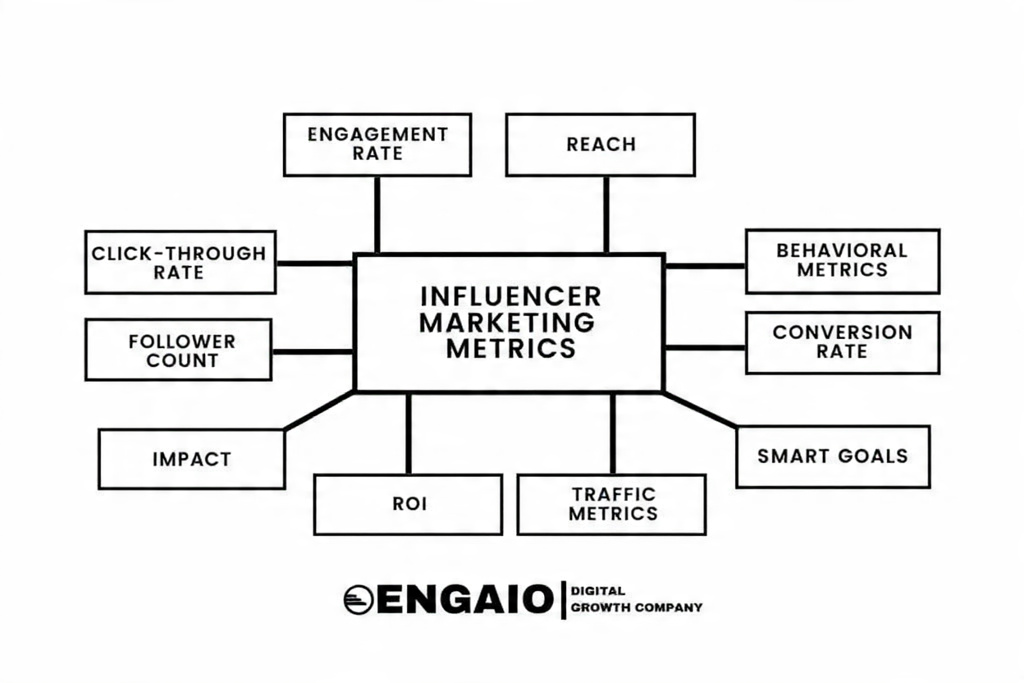
Track key performance indicators (KPIs) such as:
- Reach and impressions
- Engagement rate
- Click-through rate
- Conversions and sales
- Cost per result
Monitoring performance helps you identify what’s working and what isn’t. Maybe Instagram Stories are outperforming feed posts, or one influencer is driving significantly more engagement than others. These insights allow you to make adjustments mid-campaign, such as boosting high-performing content or refining messaging.
Staying involved also shows influencers that you’re invested in the partnership, not just the outcome. That collaboration mindset often leads to better communication and stronger results.
Step 10: Measure Results and Analyze ROI
Measuring influencer marketing ROI goes beyond likes and comments. While engagement is important, it’s not the full picture. True success lies in understanding how influencer efforts impact your broader business goals.
Depending on your objectives, measure:
- Website traffic from influencer links
- Sales generated through promo codes
- Lead sign-ups or app installs
- Brand sentiment and audience growth
Use analytics tools, UTM links, affiliate dashboards, and platform insights to gather accurate data. Then compare results against your initial goals. What exceeded expectations? What fell short? Which influencers delivered the best value?
These insights are gold. They inform future campaigns, help refine your influencer selection process, and ensure your strategy improves over time rather than repeating the same mistakes.
Influencer Marketing Strategy:
| Step No. | Strategy Step | Key Focus | What to Do (Action Points) | Why It Matters |
|---|---|---|---|---|
| 1 | Define Campaign Goals | Direction & Purpose | Set clear goals like brand awareness, engagement, traffic, or sales | Prevents confusion and allows accurate performance measurement |
| 2 | Identify Target Audience | Audience Relevance | Define age, location, interests, behavior, and pain points | Ensures your message reaches the right people |
| 3 | Choose Influencer Type | Reach vs Trust | Select nano, micro, macro, or mega influencers based on goals | Balances authenticity, reach, and budget |
| 4 | Research Influencers | Quality Control | Check engagement rate, content style, audience authenticity | Avoids fake followers and poor brand alignment |
| 5 | Build Relationships | Authenticity | Engage organically and aim for long-term partnerships | Builds trust and improves campaign performance |
| 6 | Create Campaign Message | Storytelling | Share brand guidelines while allowing creative freedom | Produces natural, engaging, non-salesy content |
| 7 | Select Platforms | Content Fit | Choose platforms like Instagram, TikTok, YouTube, or LinkedIn | Maximizes visibility where your audience is active |
| 8 | Set Budget & Compensation | Fair Payment | Decide on fixed fees, affiliate models, or product seeding | Motivates influencers and improves content quality |
| 9 | Monitor & Optimize | Performance Tracking | Track KPIs and adjust content or influencers in real time | Improves results during the campaign |
| 10 | Measure ROI | Data & Insights | Analyze reach, engagement, conversions, and cost per result | Helps refine future influencer marketing strategies |
Common Influencer Marketing Mistakes to Avoid
Even experienced marketers stumble in influencer marketing. Some common pitfalls include:
- Choosing influencers based only on follower count
- Over-controlling creative direction
- Ignoring audience relevance
- Failing to track performance properly
- Treating influencer marketing as a one-off tactic
Avoiding these mistakes keeps your campaigns authentic, effective, and scalable. Influencer marketing is not about shortcuts—it’s about consistency, trust, and strategic thinking.
Future Trends in Influencer Marketing
Influencer marketing continues to evolve. Emerging trends include:
- AI-powered influencer discovery
- Virtual and AI influencers
- Community-driven creator programs
- User-generated content becoming paid media assets
- Long-term brand ambassador models
Brands that stay adaptable and experiment with new formats will have a competitive edge. The future of influencer marketing isn’t louder—it’s smarter, more personal, and more community-focused.
Conclusion
Influencer marketing is no longer optional—it’s a powerful growth engine when done right. By following these 10 strategic steps, you move from random collaborations to intentional, high-performing campaigns. From defining goals and choosing the right influencers to measuring ROI and building long-term relationships, every step plays a role in success.
At its core, influencer marketing is about people connecting with people. When authenticity leads the strategy, results follow naturally. Start small, stay consistent, learn from data, and most importantly, build real partnerships. That’s how successful influencer campaigns are made.
Frequently Asked Questions
1. How long should an influencer marketing campaign run?
Campaign length depends on goals, but most run between 2–8 weeks. Long-term partnerships often deliver better results than short campaigns.
2. Are micro-influencers better than big influencers?
Micro-influencers often have higher engagement and trust, making them ideal for conversions and niche audiences.
3. How do you measure influencer marketing success?
Success is measured using KPIs like engagement, traffic, conversions, ROI, and brand sentiment.
4. Is influencer marketing expensive?
It can be cost-effective when planned strategically. Budgets vary, but influencer marketing often delivers higher ROI than traditional ads.
5. Can small businesses use influencer marketing?
Absolutely. Nano and micro influencers make influencer marketing accessible and effective for small businesses.