
Hello there! Do you love to write? Maybe you enjoy telling stories, explaining things clearly, or sharing what you know.
What if you could get paid for that?
That’s exactly what freelance writing jobs are all about. You write. Someone pays you. You work from anywhere you like—your kitchen table, a coffee shop, or even the park!
But where do you find these jobs? And how do you find the ones that pay really well?
It can feel confusing. Some websites pay very little. Others pay a lot for your skills. How do you know the difference?
Don’t worry. That’s why I made this guide for you.
Think of this as your friendly map to finding great freelance writing jobs. I’m going to show you 12 places where you can find work that pays well for your writing. No confusing words. Just clear, simple ideas.
Let’s find you a writing job!
What Are Freelance Writing Jobs, Really?
First, let’s make it super simple.
A freelance writing job is when a person or company needs something written. They hire you to write it for them. You are not their full-time employee. You are a helper-for-hire. You finish the project, they pay you, and the job is done.
You could be writing:
- A blog post for a pet food company.
- A product description for a toy website.
- An article for a travel magazine.
- An email to help a shop sell more cookies.
The words you see everywhere? Someone was paid to write them. That someone could be you.

12 Places to Find High-Paying Freelance Writing Jobs
Ready? Here are 12 great places to look for work. Some are websites. Some are ways of thinking. All of them can lead to good pay for your words.
1. Content Marketing Agencies
What it is: A company that helps other businesses with their writing. They need writers for all their clients.
- Why it pays well: They have lots of work and big clients. They pay reliably.
- How to find them: Search for “content marketing agency” plus your city or niche (like “health content marketing agency”).
- What to do: Look on their website for a “Careers” or “Work With Us” page. Many have a form for freelance writers to apply.
2. Online Job Boards (The Good Ones!)
What it is: Websites where people post freelance writing jobs.
- The high-paying ones to try:
- Contena: A curated board with good-quality jobs.
- SolidGigs: Sends you a list of the best jobs once a week.
- ProBlogger Job Board: Famous for writing jobs, especially in blogging.
- Tip: Avoid boards where every job pays $5. Look for boards that screen their listings.
3. LinkedIn (It’s Not Just for Resumes!)
What it is: A professional social network. People look for help here all the time.
- Why it pays well: Businesses and professionals use it. They have real budgets.
- How to find jobs:
- Fill out your profile. Say you are a “Freelance Writer.”
- Use the “Jobs” section and search for “freelance writer,” “content writer,” “ghostwriter.”
- Post updates about your writing. Let people know you are available.
4. Cold Pitching (Your Superpower)
What it is: You find a company you love and ask them if they need a writer.
- Why it pays well: You find companies that aren’t even looking yet. You have no competition!
- How to do it:
-
- Find a blog or website you could write for.
- Find the contact email (look for the editor or “write for us”).
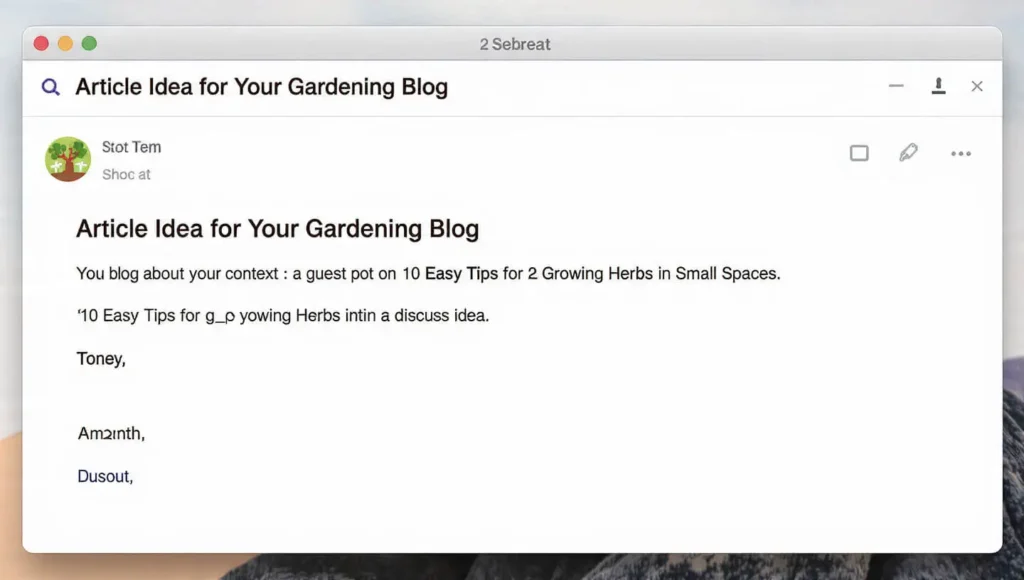
- Send a short, friendly email. Introduce yourself. Give one idea for their blog. Ask if they need a writer.
- Example: “Hi [Name], I love your blog about hiking. I noticed you haven’t written about [specific trail]. I’m a freelance writer and would love to write a post for you. Are you looking for new writers?”
5. Your Own Network (Tell Everyone!)
What it is: The people you already know.
- Why it pays well: They already trust you.
- Who to tell: Friends, family, old coworkers. Post on your personal Facebook, “Hey everyone, I’m now a freelance writer! I help businesses with blog posts and articles. Let me know if you know anyone who needs help.”
- You’ll be surprised. Your friend’s cousin might need a writer for their new website.
6. Business & Marketing Blogs
What it is: Many big blogs need constant new articles.
- Why it pays well: They are established and have money for content.
- How to find them: Think of blogs you read about marketing, business, money, or tech. Go to their website. Scroll to the very bottom. Look for “Contributor Guidelines” or “Write for Us.” Follow their rules to submit an idea.
7. Copywriting for Small Businesses
What it is: Writing words that sell things (websites, ads, emails).
- Why it pays well: Good copywriting makes businesses money, so they pay well for it.
- How to find them: Look at local businesses with bad websites or boring social media. Offer to help. “Hi [Shop Owner], I help businesses write better website words to attract customers. Would you be open to a quick chat?”
8. Magazine Websites (Digital & Print)
What it is: Online or real-life magazines.
- Why it pays well: They have editorial standards and pay professional rates.
- How to find them: Find magazines in a topic you love (parenting, science, food). Check their website for “Submission Guidelines.” Pitch a unique story idea their readers would love.
9. Upwork (If You’re Smart About It)
What it is: A huge website for freelancers.
- The Trick: It has low-paying jobs and high-paying jobs. You must find the good ones.
- How to succeed:
- Make a great profile.
- Don’t apply to jobs that pay too little.
- Look for clients with good payment history.
- Write a custom proposal for each job. Don’t copy-paste.
10. Ghostwriting for Experts
What it is: You write a book, article, or speech for someone else. They put their name on it.
- Why it pays VERY well: It’s private and requires skill.
- How to find it: Network with coaches, speakers, and busy executives. They often need help turning their ideas into written work.
11. SEO Writing
What it is: Writing blog posts that help websites rank on Google.
- Why it pays well: Every business wants to be found on Google.
- How to learn: Understand basic SEO (Search Engine Optimization). You can learn for free online. Then, you can say, “I write SEO-friendly blog posts that help you get found online.”
12. Trade Publications
What it is: Magazines and websites for specific jobs (like “Restaurant News” or “Pharmacy Today”).
- Why it pays well: They need writers who can understand a specialized field.
- How to find them: Think about any special knowledge you have (teaching, nursing, construction). Search for “[your field] + magazine” or “[your field] + publication.”
Quick Guide: Different Kinds of Writing Jobs
| Type of Writing | What You Do | Where to Find It | Who It’s Good For |
|---|---|---|---|
| Blog Writing | Write articles for a company’s blog. | Content agencies, cold pitching to blogs. | People who love to explain and teach. |
| Copywriting | Write words to sell (ads, websites, emails). | Small businesses, marketing agencies. | Persuasive writers who like results. |
| Ghostwriting | Write for someone else who gets the credit. | Networking with professionals, LinkedIn. | Writers who don’t need public fame. |
| SEO Writing | Write blog posts that use specific words for Google. | Online job boards, digital marketing companies. | Writers who like structure and research. |
| Magazine Articles | Write feature stories for publications. | Magazine “Write for Us” pages. | Storytellers and journalists. |
Your First 7 Days: A Step-by-Step Plan to Find Freelance Writing Jobs
Let’s not just talk. Let’s act! Here is your first-week plan.
Step 1: Choose Your Niche (Day 1)
What do you know about or love? Parenting, finance, video games, gardening? Picking a topic helps you stand out. Write down: “I am a freelance writer for [your niche].”
Step 2: Set Up a Simple Portfolio (Day 2-3)
You need writing samples. No one has hired you yet? Write two sample blog posts on your chosen topic. Publish them for free on a site like Medium.com. Now you have a portfolio! Link to it everywhere.
Step 3: Create a Basic Pitch (Day 4)
Write a short email you can send to people. It should say who you are, what you write about, and include a link to your portfolio samples.
Step 4: Tell Your Network (Day 5)
Send a message to 5 people you know. Tell them you’re starting freelance writing and ask if they know anyone who might need help.
Step 5: Apply to 2 Good Jobs (Day 6)
Go to the ProBlogger Job Board or LinkedIn. Find 2 freelance writing jobs that fit your niche. Spend time writing a good application for each.
Step 6: Send 2 Cold Pitches (Day 7)
Find two blogs or small businesses in your niche. Send them your friendly pitch email from Step 3.
Step 7: Repeat & Be Patient
Keep doing Steps 5 and 6 every week. Be patient. Your first job is coming!
Common Mistakes to Avoid as a New Freelance Writer
- Chasing Every Job: Don’t apply for pet writing if you love tech. Stick to your niche. You’ll be happier and get better jobs.
- Setting Prices Too Low: Charging $10 for an article hurts you and other writers. Research what other writers charge. Start with a fair price.
- Waiting for Permission: Don’t wait for a “perfect” website or 20 samples. Start with what you have. You learn by doing.
- Ignoring Contracts: Always use a simple agreement. It should say what you’ll write, when you’ll get paid, and how much. It protects you and the client.
- Forgetting to Follow Up: If you don’t hear back on a pitch, send one friendly follow-up email a week later. Sometimes people are just busy.
- Writing for Free (Almost Always): Don’t write for free for a business that will make money from your work. Your samples on Medium are enough to start.
Bonus Tip: The One Thing That Gets You Hired Again and Again
It’s not just being a good writer. It’s being easy to work with.
- Communicate clearly.
- Meet your deadlines.
- Be polite and professional.
- Fix mistakes happily.
A good client will hire a friendly, reliable writer over a slightly better writer who is difficult. Your attitude is your secret weapon.
Conclusion
Finding great freelance writing jobs is like a treasure hunt. You now have the map with 12 places to look.
Remember, it starts with one step. Write your two samples. Send your first pitch. Tell one friend.
The world needs your words. Businesses need help telling their stories. People need information explained clearly. You can provide that and build a wonderful, flexible career.
Your chair is waiting at the coffee shop. Your laptop is ready. Your first client is out there looking for a writer just like you.
Go send that email. Your first freelance writing job is closer than you think.