
Hey there! Have you ever tried to put together a puzzle without looking at the picture on the box? It’s pretty frustrating. You have all the pieces, but no idea how they fit together.
Creating content without a plan feels exactly like that. You might write a blog post here, make a video there, but it doesn’t lead anywhere. It doesn’t bring you new customers.
What you need is the picture on the box—a clear plan that shows you how everything fits. That plan is called a content marketing strategy.
Think of it like a treasure map. A good content marketing strategy shows you:
- Where you are starting from.
- Where the treasure (your business goals) is buried.
- The exact path to get there.
In this guide, I’ll walk you through 14 simple steps to create your own winning plan. No confusing jargon. Just clear, friendly advice. Let’s build your map together!
Part 1: Laying Your Foundation (Steps 1-4)
Before you create a single thing, you need to know your “why.” This is the most important part of your content marketing strategy.
Step 1: Set Your One Big Goal
You can’t hit a target you can’t see.
-
- Ask Yourself: What do I really want? More website visitors? More people signing up for my email list? More sales of my new product?
- Keep it Simple: Pick just ONE main goal to start. Make it clear and measurable. Example: “I want to get 100 new email subscribers in the next 3 months.”
Step 2: Know Your Best Friend (Your Audience)
You are not creating content for “everyone.” You are creating it for one special person.
-
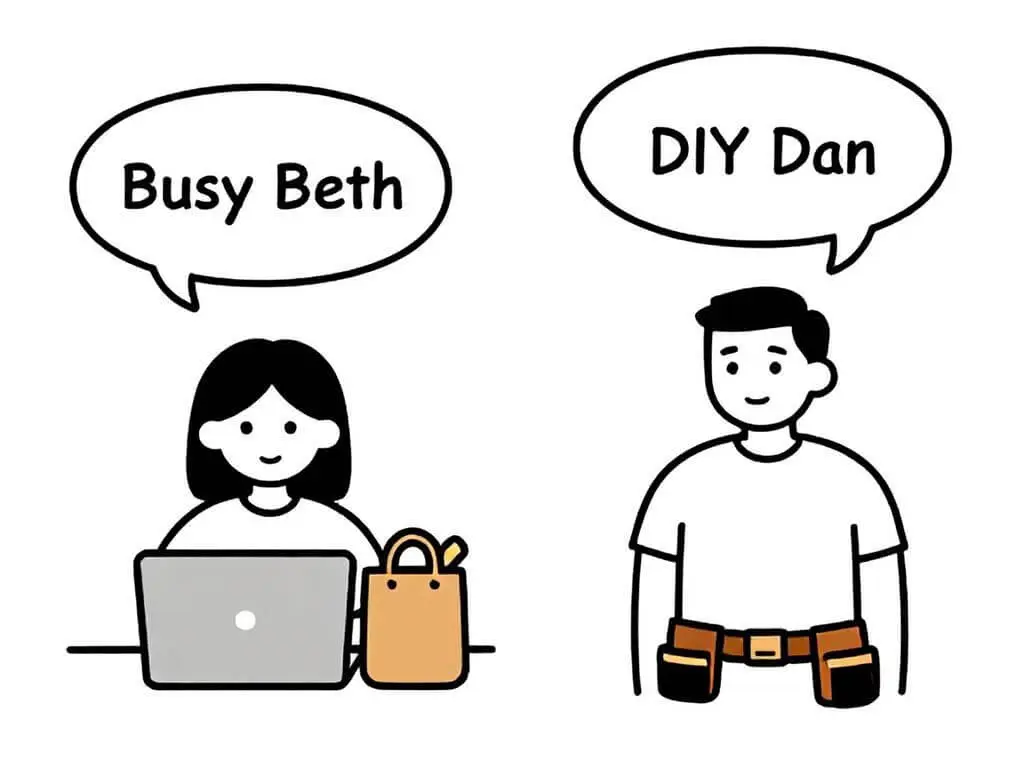
- Create a “Buyer Persona”: Give your ideal customer a name and a story. Is she “Busy Beth,” a working mom who needs quick dinner recipes? Or “DIY Dan,” a homeowner who loves fixing things himself?
- Find Out: What problems do they have? What questions do they ask? Where do they hang out online? Speak directly to them like a friend.
Step 3: Take Stock of What You Already Have
Look in your content closet! You might already have useful stuff.
The Audit: Gather all your old blog posts, social media videos, and brochures. What’s still good? What can you update? This saves you time and shows you what topics your audience liked before.
Step 4: Find Your Unique Voice
Your content should sound like YOU, not a robot.
What’s Your Style? Are you funny and casual? Serious and expert-like? Warm and encouraging? Choose a tone that feels natural and will connect with your persona.
Example: A skateboard shop might use cool, energetic slang. A financial advisor for retirees would use calm, trustworthy, and clear language.
Part 2: Planning Your Content (Steps 5-8)
Now we know why we’re creating. Let’s plan what we’ll create and where.
Step 5: The Content Pillar Idea
Think of this as your main tent pole. It holds everything up.
-
- Choose Your Big Topic: What is the #1 thing you are an expert in? For a gardening store, it might be “Organic Vegetable Gardening.”
- All your smaller content (blog posts, videos) will support this big idea. This makes you look like an authority and helps people find you.
Step 6: Brainstorm a Bunch of Ideas
Now, think of all the little questions around your big pillar.
-
- For “Organic Vegetable Gardening,” you could write about:
- “5 Easy Vegetables for Beginners”
- “How to Get Rid of Aphids Naturally”
- “The Best Soil for Tomato Plants”
- Use Tools: Answer questions from Google, Quora, or comments on your social media. What are people already asking?
- For “Organic Vegetable Gardening,” you could write about:
Step 7: Choose Your Content Types
Not everyone likes to learn the same way.
-
- Mix it up! Use different formats:
- Blog Posts: Great for explaining “how-to” guides.
- Videos: Perfect for showing a process (like a repair).
- Infographics: Good for sharing quick facts or steps.
- Podcasts: Awesome for busy people who can listen on the go.
-
Match the format to the idea. A complex recipe is better as a video. A list of tips is great as a blog post.
- Mix it up! Use different formats:
Step 8: Pick Your Playgrounds (Channels)
Where does your “persona” like to spend time? Be there.
-
- Don’t be everywhere. Be where your people are.
- DIY Dan might be on YouTube watching repair tutorials.
- Busy Beth might be scrolling Instagram or Pinterest for quick ideas.
- Focus on 1-2 platforms at first. Do them really well.
- Don’t be everywhere. Be where your people are.
Part 3: Building and Sharing (Steps 9-11)
It’s time to create and get your content seen. This is the engine of your content marketing strategy.
Step 9: Make a Simple Content Calendar
This is your best friend. It stops the “what do I post today?” panic.
-
- What it is: A calendar (use Google Sheets or a simple planner) where you plan your topics, formats, and publish dates.
- Example:
- Week 1: Publish blog post “5 Easy Vegetables for Beginners.”
- Week 2: Share a video on Instagram Reels showing how to plant seeds.
- Week 3: Send an email to your list with a tip from the blog post.
Step 10: Create Truly Helpful Content
This is the golden rule. Your content must HELP, not just SELL.
-
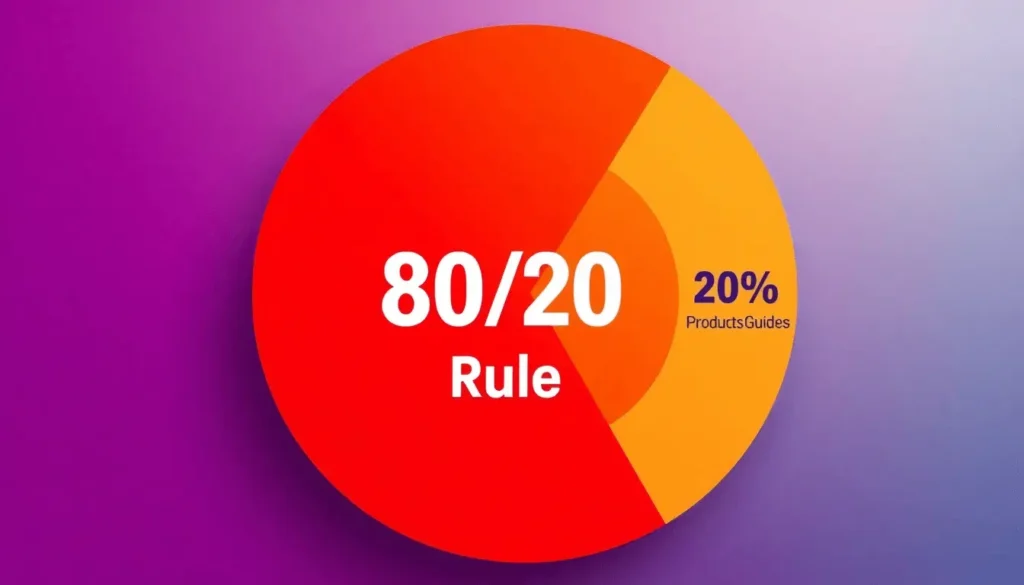
- The 80/20 Rule: 80% of your content should educate, entertain, or inspire. 20% can be about your product or service.
- Think Like a Teacher: Give away your best advice for free. When you help people solve a small problem, they will trust you to solve their bigger problem (and buy from you later).
Step 11: Promote Your Content (Don’t Just Publish)
Publishing a blog post is like having a party but not sending any invitations.
-
- Share it everywhere: Post it on your chosen social media channels. Send it to your email list. Mention it in relevant online groups (where the rules allow).
- Repurpose it: Turn a blog post into a carousel for Instagram. Pull the key points into a Twitter thread. Read it out loud for a podcast episode. One piece of content can live in many places.
Part 4: Making It Better (Steps 12-14)
A smart content marketing strategy is never finished. You learn and improve.
Step 12: Learn the Basics of SEO
SEO (Search Engine Optimization) just means making your content easy for Google to find and show to people.
-
- Simple Start: Use the words your audience uses (keywords) in your titles and headings. Write clear descriptions. This helps the right people discover your helpful content through search.
Step 13: Check Your Numbers
How do you know if your map is leading to treasure? You check your compass!
-
- Look at Simple Metrics: Use free tools like Google Analytics. Are more people visiting your website? Which blog post is most popular? Are people signing up for your email list after reading?
- This tells you what’s working. Do more of that!
Step 14: Keep Improving
Your strategy is a living plan. It should grow and change.
-
- Review Quarterly: Every 3 months, look at your goal. Are you getting closer? Which content type got the most shares? What new questions are your customers asking?
- Adapt: Use what you learn to plan your next 3 months. Try new ideas. Stop doing things that don’t work.
Strategy in Action: A Simple Comparison
| Stage | Without a Strategy | With a Content Marketing Strategy | The Benefit |
|---|---|---|---|
| Planning | “I should post something about gardening today.” | “On Tuesday, I’ll publish a beginner’s guide to herbs for my ‘Busy Beth’ persona on my blog and Instagram.” | Saves time, reduces stress, ensures consistency. |
| Creation | A generic post about all garden tools. | A focused video titled “The Only 3 Tools a Beginner Gardener Needs,” linking back to the main “Organic Gardening” pillar. | Creates deeper expertise and connects content together. |
| Goal | Get likes and followers. | Use the herb guide to get 50 new email sign-ups for a free watering schedule PDF. | Ties content directly to a clear business result. |
Your Quick-Start 5-Step Action Plan
Feeling ready? Start your content marketing strategy this week.
- Step 1: Define Your Persona. Spend 20 minutes. Write down your ideal customer’s name, their one biggest problem, and where they go for answers online.
- Step 2: Set Your First Goal. Make it tiny and achievable. Example: “Get 10 new email subscribers this month.”
- Step 3: Brainstorm 10 Content Ideas. Think of 10 questions your persona has about your topic. These are your first blog post or video titles.
- Step 4: Create Your First Piece. Pick the best idea from your list. Create it in the format that feels easiest for you (write it, film it, record it).
- Step 5: Share and Track. Share that piece in 3 places. Then, check next week: did anyone visit it? Did you get any new subscribers? Learn from that.
Common Content Marketing Mistakes to Avoid
- Selling Too Hard, Too Soon. Nobody likes a pushy salesperson. Build trust by helping first.
- Being Inconsistent. Posting 10 times one week and then disappearing for a month confuses people and algorithms. Small and steady wins.
- Ignoring Your Audience. Don’t just talk at people. Ask questions in your posts. Reply to every comment. Have a conversation.
- Giving Up Too Early. Results don’t happen overnight. It’s like planting seeds. You must water them (create content) consistently before you see a garden.
- Not Checking What Works. If you never look at your numbers, you’re driving with your eyes closed. Check your simple metrics monthly.
- Trying to Copy Everyone Else. Your unique voice and perspective are your superpowers. Don’t hide them.
Bonus Tip: The Magic of Repurposing
Feeling overwhelmed at the thought of creating so much? Here’s a secret: you don’t have to create something new every day.
Take one strong piece of content (like a key blog post) and slice it into many smaller pieces.
-
Blog Post → 1 Instagram Carousel, 3 Tweets, 1 Email Newsletter, 5 Pinterest Pins.
This is the smartest way to build a sustainable content marketing strategy.
Conclusion
Building a content marketing strategy isn’t about complicated charts. It’s about being a good friend.
It’s about knowing who you’re talking to, understanding their problems, and showing up consistently with helpful answers.
You start with a simple goal. You learn about one person you want to help. You create a plan to reach them. You share your knowledge generously. And you listen and learn along the way.
Follow these 14 steps, and you won’t just be throwing puzzle pieces into the air. You’ll be holding a clear, beautiful picture—a map that leads straight to the people who need what you offer.
Now, take that first small step. Define your persona. Your future customers are waiting for your help.