
social media

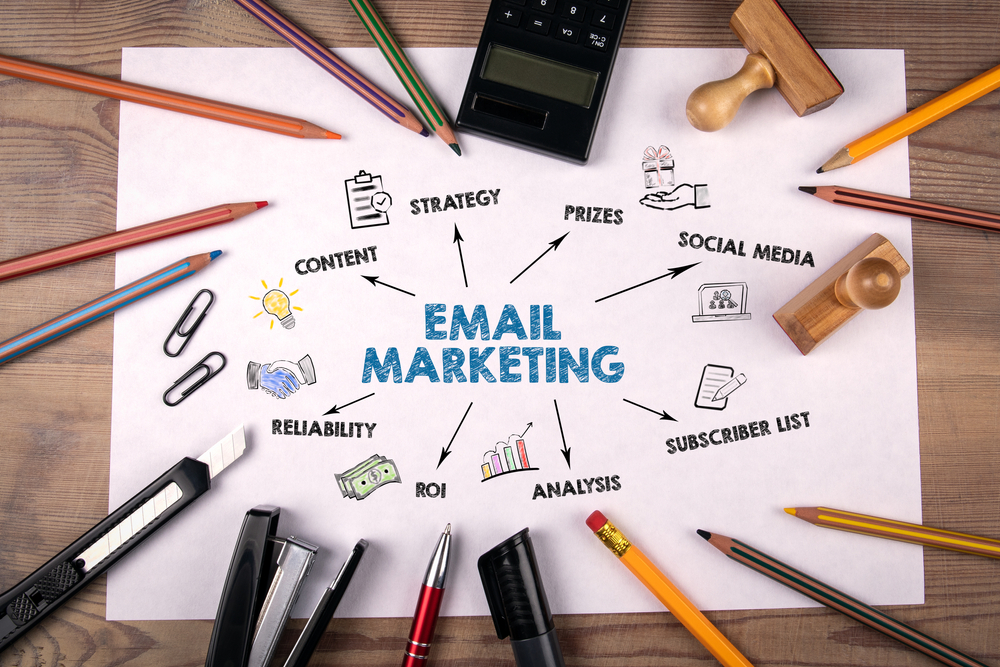
Email marketing
social media

Email Marketing: 8 Proven Hacks to Boost Open Rates

Introduction Email marketing may look simple on the surface—write an email, hit send, and wait for results. But anyone who has actually run campaigns knows the truth: getting people to open your emails is the hardest part of the entire process. You can have world-class content, irresistible offers, and beautiful designs, yet none of it matters if your email never gets opened. That’s why email open rates are the heartbeat of successful email marketing. They tell you whether your message is cutting through the noise or getting buried in crowded inboxes. Today’s subscribers are overwhelmed. Between promotional emails, notifications, and spam, the average person receives dozens of emails every single day. In that environment, attention is limited and trust is fragile. This is exactly why improving email open rates isn’t about tricks or shortcuts—it’s about understanding human behavior, building genuine relationships, and delivering value consistently. When done right, email marketing becomes less about selling and more about starting meaningful conversations. In this article, you’ll learn 8 proven email marketing hacks that focus specifically on boosting open rates. These strategies are practical, data-backed, and easy to apply, whether you’re a beginner or an experienced marketer. Before diving into the hacks, let’s first understand why open rates matter so much, what’s holding most marketers back, and how the right mindset can completely change your results. Why Email Open Rates Matter More Than Ever Email open rates are more than just a vanity metric—they directly influence every other part of your email marketing performance. If your emails aren’t being opened, clicks, conversions, and sales simply can’t happen. Open rates are also a key signal used by email service providers to decide whether your emails deserve to land in the inbox or the spam folder. Higher open rates indicate trust, relevance, and strong audience connection. They show that subscribers recognize your name, value your content, and believe your emails are worth their time. On the flip side, consistently low open rates can hurt your sender reputation, making future campaigns even harder to succeed. In short, open rates set the ceiling for how effective your email marketing can be. Common Reasons Emails Go Unopened Most low open rates aren’t caused by bad luck—they’re caused by common, fixable mistakes. Weak subject lines, generic messaging, poor timing, and lack of personalization are some of the biggest reasons emails get ignored. Many marketers also send too many emails or fail to segment their lists, leading to subscriber fatigue and disengagement. Another major issue is trust. If subscribers don’t recognize the sender or feel unsure about the value inside the email, they won’t open it. Over time, this creates a vicious cycle where fewer opens lead to worse deliverability, which leads to even fewer opens. Understanding these pitfalls is the first step toward reversing the trend. What You’ll Gain from These Proven Email Marketing Hacks The strategies in this guide are designed to help you break out of that cycle. You’ll learn how to craft subject lines that spark curiosity, optimize preheaders for maximum impact, and send emails at times when your audience is most likely to engage. You’ll also discover how segmentation, personalization, and trust-building tactics can dramatically improve your email open rates without increasing send volume. Most importantly, these hacks focus on long-term success, not quick wins. By applying them consistently, you’ll build an email list that actually wants to hear from you—one that opens, reads, and responds to your messages. And that’s when email marketing truly starts working. Hack 1: Write Subject Lines That Spark Curiosity Your subject line is the front door to your email. If it doesn’t invite people in, nothing else matters. High-performing subject lines tap into curiosity, emotion, or urgency. They make readers think, “I need to see what’s inside.” This doesn’t mean clickbait—it means intrigue with value. Psychology Behind High-Open Subject Lines People are wired to seek closure. When a subject line hints at something incomplete or unexpected, the brain wants answers. Questions, teasers, and benefit-driven statements work because they create a curiosity gap. Examples: “You’re making this email mistake…” “Most marketers ignore this simple trick” “Quick win for better open rates” Power Words and Emotional Triggers That Work Words like proven, powerful, secret, easy, instant, and free often boost opens when used naturally. Pair them with clear value to avoid sounding spammy. Subject Line Mistakes to Avoid ALL CAPS Too many emojis Misleading promises Overused phrases like “Don’t miss out!!!” Keep subject lines short, clear, and human. If it sounds like a robot wrote it, people will skip it. Hack 2: Optimize Your Preheader Text Most marketers ignore preheader text—and that’s a costly mistake. Preheader text is the short preview line that appears next to or below your subject line. Think of it as a second chance to convince readers to open your email. What Preheader Text Really Does A strong preheader expands on the subject line and adds context. Together, they should feel like a natural conversation, not a repeat. Bad example: Subject: “Email Marketing Tips” Preheader: “Email marketing tips inside” Good example: Subject: “8 Proven Email Marketing Hacks” Preheader: “Boost open rates without annoying your subscribers” How to Pair Preheaders with Subject Lines Use preheaders to: Add urgency Highlight a benefit Address a pain point Avoid default text like “View this email in your browser.” That’s wasted space. Hack 3: Send Emails at the Right Time Even the best email fails if it lands at the wrong moment. Timing plays a huge role in email marketing open rates because inbox behavior changes throughout the day and week. Best Days and Times for Email Marketing While there’s no universal “perfect time,” data shows: Tuesdays and Thursdays often perform best Early mornings and late afternoons see higher opens That said, your audience may behave differently. How Audience Behavior Impacts Timing A B2B audience checks email during work hours. A lifestyle audience may open emails at night or on weekends. Watch your analytics—your data tells the real story. Testing and
Social media
social media

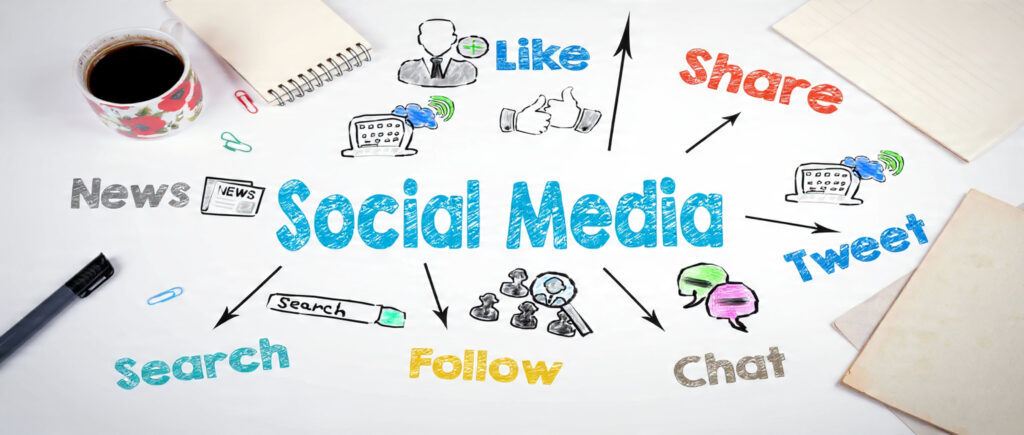
Social Media Marketing Tips: 10 Proven Ways to Boost Engagement

Introduction  Social media marketing simply means using platforms like Facebook, Instagram, TikTok, LinkedIn, and X to connect with people online. It’s not just about posting pictures or videos. It’s about starting conversations, building trust, and creating relationships. Think of social media like a digital coffee shop. People come there to talk, share ideas, laugh, complain, and learn. Brands that understand this don’t just sell—they connect. In the early days, businesses focused on getting more followers. Bigger numbers looked impressive. But today, numbers alone don’t mean much. You could have 100,000 followers and still feel invisible if no one likes, comments, or shares your posts. That’s where engagement comes in. Engagement shows that people care. It means they are listening, reacting, and responding. Social media has changed the way businesses speak to their audience. Instead of one-way advertising, it’s now a two-way conversation. People expect brands to sound human, reply to comments, and show personality. If you’re still posting like it’s a billboard on a highway, you’re missing the point. Social media marketing works best when it feels real, helpful, and personal. This guide will walk you through 10 proven ways to boost engagement using simple language and practical tips. No confusing jargon. No unrealistic tricks. Just real strategies that actually work. Understanding Social Media Engagement Before boosting engagement, you need to understand what it actually means. In simple English, social media engagement is how people interact with your content. When someone likes your post, leaves a comment, shares it with a friend, saves it for later, or replies to your story—that’s engagement. There are different types of engagement, and each one matters: Likes: Show quick appreciation Comments: Start conversations Shares: Spread your message Saves: Indicate valuable content Clicks: Show interest Engagement is important because social media platforms reward it. When people interact with your posts, algorithms think, “This content is useful,” and show it to more people. More engagement equals more visibility. But engagement isn’t just about algorithms. It’s about connection. When someone comments and you reply, a relationship begins. Over time, these small interactions turn followers into loyal fans and customers. Engagement is the bridge between posting content and building a real community. Why Most Social Media Strategies Fail Many social media strategies fail not because people don’t try, but because they focus on the wrong things. One common mistake is posting without a plan. Random posts with no clear purpose confuse both the audience and the algorithm. It’s like throwing darts in the dark and hoping one hits the target. Another big reason strategies fail is sounding too much like a brand and not enough like a person. People don’t want to talk to logos. They want to talk to humans. If your captions sound like corporate emails, people scroll past without thinking twice. Ignoring audience behavior is another silent killer. Some people post what they like instead of what their audience needs. Social media isn’t about you—it’s about them. If you don’t listen, watch, and adapt, engagement slowly fades. The good news? These mistakes are easy to fix. The next 10 tips will show you exactly how. Tip 1: Know Your Audience Deeply (Knowing your audience means understanding who you are talking to and what they care about.) What Knowing Your Audience Really Means Knowing your audience goes beyond age and gender. It means understanding their daily struggles, goals, fears, and dreams. What keeps them awake at night? What makes them smile? What problems are they trying to solve? When you truly know your audience, content ideas become easier. You stop guessing and start speaking directly to real people. Your posts feel personal, not generic. For example, if your audience is small business owners, they might worry about sales, time management, and marketing budgets. Posting random quotes won’t help them. Practical tips will. How to Research Your Audience You don’t need expensive tools to understand your audience. Start with: Social media analytics Comments and DMs Polls and question stickers Observing which posts get the most engagement Pay attention. Your audience is already telling you what they want—you just have to listen. Tip 2: Create Content That Solves Problems (This means posting content that helps people fix something or learn something.) Why Problem-Solving Content Gets More Engagement People go on social media for entertainment, inspiration, and answers. When your content solves a problem, people naturally engage. They like it, save it, and share it because it’s useful. Problem-solving content builds trust. It positions you as someone who knows what they’re talking about. Over time, people come back because they know your posts help them. Examples of Problem-Solving Content Some easy examples include: “How to” posts Step-by-step guides Mistakes to avoid Quick tips and hacks If your content makes life easier, engagement follows naturally. Tip 3: Be Consistent, Not Perfect (Consistency means showing up regularly, even if content isn’t perfect.) How Consistency Builds Trust Posting once a month won’t build engagement. People forget quickly. Consistency keeps you visible and reliable. It tells both your audience and the algorithm that you’re active. Perfection slows people down. Many creators wait until everything looks perfect—and end up posting nothing. Progress beats perfection every time. Simple Posting Schedules That Work You don’t need to post every day. Choose what’s realistic: 3–4 times a week Same days and times Batch content in advance Consistency builds momentum, and momentum builds engagement. Tip 4: Use Strong Visuals That Stop Scrolling (This means using images and videos that quickly grab attention.) Why Visual Content Works Better Social media is fast. People scroll like they’re flipping TV channels. If your content doesn’t catch the eye in the first two seconds, it’s gone. Visuals act like a speed breaker—they force people to pause. The human brain processes images much faster than text, which is why strong visuals are so powerful. Good visuals create emotion. A well-designed image, an expressive face in a video, or a bold color combination can instantly communicate a feeling. And feelings drive engagement. People

Scroll to Top