
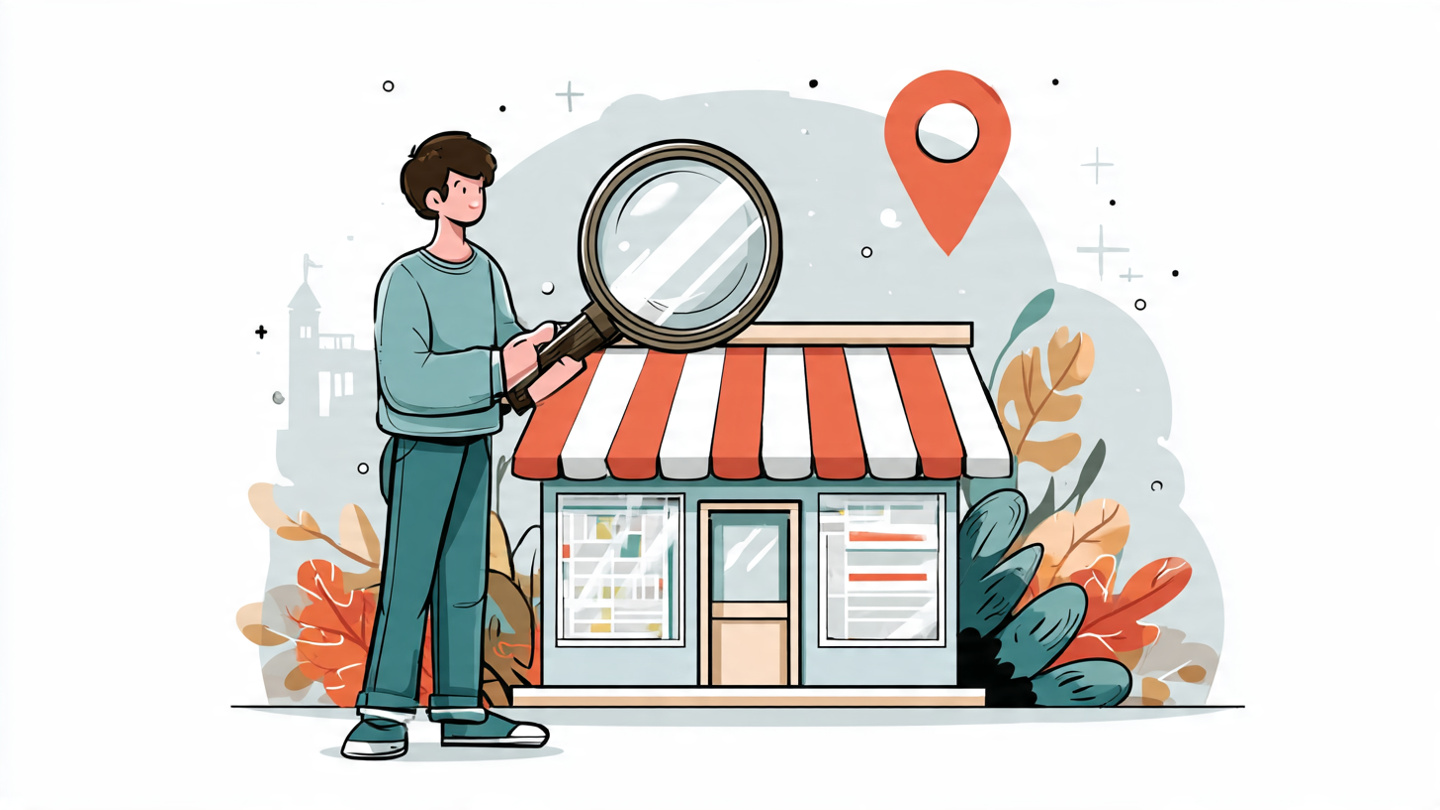
Hi there! Have you ever searched for something like “pizza near me” or “best hair salon in [Your Town]” on your phone? Of course you have! We all do it.
What happens next? You see a map with little pins. You see a list of businesses. You probably click on the one with the best pictures and reviews.
How did those businesses get there? How can your business be the one people find?
The answer is called Local SEO.
Think of this local SEO guide as your friendly map to getting found. It’s not about tricky computer stuff. It’s about telling Google, “Hey! I’m here! I’m a great bakery in Springfield, and I’m open!”
In this simple local SEO guide, I will share 25 easy things you can do. They will help you pop up on that map when your future customers are searching.
Let’s get started and help your neighbors find you!
Part 1: Your Google Business Profile – Your Digital Front Door
Imagine your Google Business Profile (it used to be called “Google My Business”) as your shop window on the internet. It’s the little box that appears on the map with your hours, photos, and reviews. Making this perfect is the most important step in any local SEO guide.
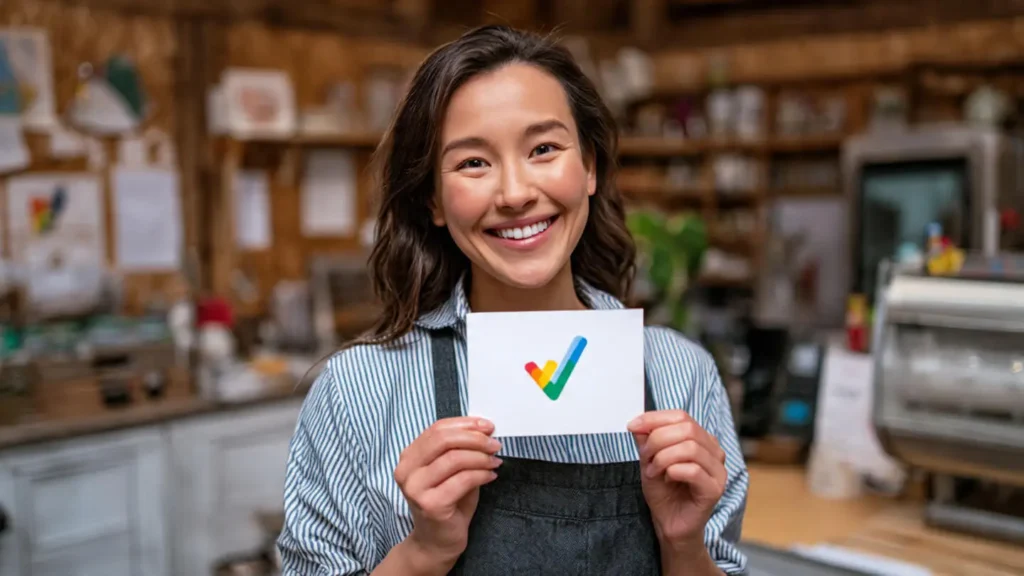
Tactic 1: Claim and Verify Your Listing
If you don’t tell Google you exist, it might guess. And it might guess wrong!
- What to do: Go to google.com/business. Search for your business name and address. If it’s there, click “Claim this business.” If not, click “Add your business.” Google will mail a postcard with a code to your real address to prove you work there.
- Example: “Sam’s Bike Repair” might already be listed from an old customer. Sam needs to claim it to control the information.
Tactic 2: Fill Out Every Single Part
Do not leave anything blank! Be as helpful as possible.
- Business Name: Use your real name. Don’t stuff it with keywords like “Sam’s Best Bike Repair Shop Seattle.” Just “Sam’s Bike Repair.”
- Address and Phone: Make sure they are exactly right and match your website.
- Hours: Be very accurate. Include special hours for holidays.
- Category: Choose the main one that fits best (e.g., “Bicycle Repair Shop”). You can add more (like “Bicycle Store”).
Tactic 3: Add Fantastic Photos
People eat with their eyes first. Show them your space, your team, and your work.
-
- What to add: A clear logo. A cover photo of your storefront. Photos inside your shop. Photos of your team smiling. Photos of your products or completed work (like a fixed bike).
- Example: A bakery should have photos of shiny pastries, happy bakers, and a cozy seating area.
Tactic 4: Collect and Answer Reviews
Reviews are like gold. They are the new word-of-mouth.
-
- How to ask: Put a note on your receipt. Send a nice email after a purchase. Have a sign in your store. Simply say, “We’d love your feedback on Google!”
- Always respond: Say “Thank you!” to good reviews. For not-so-good reviews, reply politely and offer to fix the problem. This shows you care.
Tactic 5: Use the Posts Feature (Like a Mini-Blog)
This lets you share news right on your Google listing!
-
- What to post: “New summer bike helmets just arrived!” “Special offer: Free brownie with every coffee this week.” “We will be closed for July 4th.”
- Why it helps: It makes your listing look fresh and active. Google loves that.
Part 2: Your Website – Your Home on the Web
Your website is your home base. It’s where people go after they see your Google listing. We need to make it friendly for both people and Google.
Tactic 6: Put Your City and State on Your Website
Make it obvious where you are.
-
- Where to put it: In the footer (the bottom part of every page). On a “Contact Us” page. Sometimes in the website header.
- Example: “Serving the Denver, Colorado area since 2010.”
Tactic 7: Create a Perfect “Contact Us” Page
This page must be clear and simple.
-
- Must-have info: Your exact business name. Your correct address. Your main phone number. A simple map. Your open hours.
- Bonus: A simple contact form for questions.
Tactic 8: Write Helpful Local Content
Create pages or blog posts about your local area. This shows you are part of the community.
-
- Topic ideas: “The Best Parks for a Family Picnic in Austin.” “A History of Our Favorite Neighborhood: Downtown Seattle.” “Your Guide to Winter Cycling in Chicago.”
- Example: A real estate agent in Miami could write “Top 5 Family-Friendly Neighborhoods in Miami.”
Tactic 9: Make Sure Your Website is Fast
If your website takes more than a few seconds to load, people leave. Google knows this and will not show a slow site as often.
-
-
Simple check: Use Google’s free “PageSpeed Insights” tool. Type in your website address. It will give you tips.
-
Tactic 10: Make it Work Great on Phones (Mobile-Friendly)
Most local searches happen on phones. If your website looks strange or is hard to use on a phone, you will lose customers.
-
-
How to check: Just look at your own website on your phone. Can you read the text without zooming in? Can you tap the buttons easily?
-
Part 3: The Technical Stuff (Don’t Worry, It’s Easy!)
These are simple, behind-the-scenes steps. They help Google understand your business perfectly.
Tactic 11: NAP Consistency (Name, Address, Phone)
This just means your business info should be exactly the same everywhere on the internet.
-
- Check these places: Your website, your Google listing, your Facebook page, Yelp, Yellow Pages online.
- Example: Is it “123 Main St.” on your website but “123 Main Street” on Yelp? Make them match
Tactic 12: Get Listed on Other Important Websites (Citations)
A “citation” is just another website that lists your business name and address. More trusted citations make Google trust you more.
-
- Where to list: Sites like Apple Maps, Bing Places, Yelp, the Better Business Bureau (BBB), and local Chamber of Commerce sites.
- How to do it: Search for “[Your Business Name] + [Your City]” online. See where you are listed. Claim those profiles and make sure the info is right
Tactic 13: Local Schema Markup (A Secret Code for Google)
This sounds scary, but it’s just a special code you can add to your website. It tells Google, “This is a local business, here is the name, address, and hours.” Many website builders (like WordPress with a plugin) can add this for you easily.
Part 4: Building Your Local Fame
This is about becoming known and trusted in your town.
Tactic 14: Get Links from Local Websites
When another local website links to yours, it’s like a vote of confidence.
-
-
How to get them: Sponsor a little league team (they might list you as a sponsor on their site). Write a guest blog post for a local news website. Partner with a non-profit for an event.
-
Tactic 15: Be Active on Local Social Media
Use Facebook and Instagram to talk to your town.
-
- What to post: Share photos from local events. Celebrate other local businesses. Answer questions from people in your town.
- Example: A flower shop can post, “Loved seeing our roses at the Springfield Wedding Fair this weekend! Congrats to all the planners.”
Tactic 16: Manage Your Other Online Reviews
Don’t just focus on Google. Check and respond to reviews on Facebook, Yelp, or industry-specific sites (like TripAdvisor for hotels).
Tactic 17: Run a Local Contest or Giveaway
This gets people excited and talking.
-
-
Simple idea: “Tag a friend who loves pizza for a chance to win a free large pizza!” People share it, and more locals see your business
-
Part 5: The Power of Words (Keywords)
Keywords are just the words people type into Google. We need to use the words our neighbors use.
Tactic 18: Think “Near Me” and “In [City]”
Your customers are searching this way.
-
-
Use these phrases: On your website, say things like “the best plumber near me” is less useful than “trusted plumber in Dallas.” Use “in [Your City]” naturally in your writing.
-
Tactic 19: Answer Local Questions
Think about what a new person in town would ask.
-
-
Create content that answers: “Where is the nearest urgent care?” “What time does the library open on Saturday?” “Who has the best birthday cakes in San Diego?” If you answer these, you might show up.
-
Tactic 20: Use Locations in Page Titles
The title of your webpage is very important. Include your location.
-
- Good Example: “Professional Dog Grooming | Paws & Claws | Tampa, FL”
- Bad Example: “Home | Paws & Claws”
Part 6: Keeping an Eye on Things
You need to know what’s working!
Tactic 21: Check Your Google Business Profile Insights
It’s a free report card! It shows you how many people saw your listing, searched for you, called you, or asked for directions.
-
-
Look at it monthly: See what’s getting more popular.
-
Tactic 22: Use Google Search Console
This is another free Google tool. It shows you what words people typed to find your website. You might be surprised!
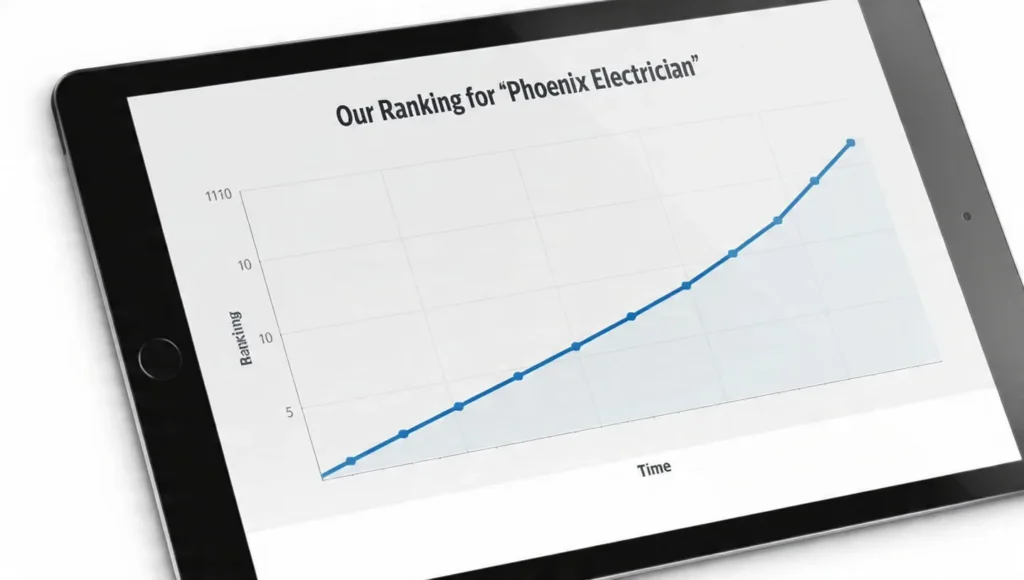
Tactic 23: Track Your Local Rankings
Once a month, search for your main service and city on Google (use a “private” browser window so your history doesn’t affect it). See where you rank. Are you moving up?
Part 7: Two Final Big Ideas
Tactic 24: Make Sure You’re in the Right Local Directories
Different businesses have different important websites. A restaurant needs to be on OpenTable or Resy. A hotel needs to be on Booking.com. Find the big sites in your industry and get listed.
Tactic 25: Build Real Relationships Offline
SEO is not just online. Go to local business meetups. Network with other shop owners. When people know you in real life, they are more likely to leave a review, mention you online, or link to you. Real life helps your online life!
Your Simple Action Plan: A 5-Step Starter Local SEO Guide
Feeling overwhelmed? Just start here. Do these five things first.
- Step 1: Own Your Google Business Profile. Claim it, verify it, and fill it out 100%. Add at least 5 great photos.
- Step 2: Fix Your Website Basics. Check your “Contact Us” page. Is the address and phone number big and clear? Is your website easy to use on a phone?
- Step 3: Ask for Reviews. This week, ask your three happiest customers to leave you a review on Google. Put a reminder on your calendar to ask again next month.
- Step 4: Check Your Name Online. Search for your business name, address, and phone number. Make a list of the top 10 websites that show up. Are the details the same on all of them? Fix any that are wrong.
- Step 5: Write One Local Article. Next month, write one helpful blog post for your website about something local. It could be “5 Common Winter Problems for Omaha Homeowners” if you’re a plumber.
Common Local SEO Mistakes to Avoid
- Creating Fake Addresses: Never list your business at a place it’s not (like a PO box or fake office). This will get you banned.
- Ignoring Your Reviews: Not answering reviews (good or bad) makes you look like you don’t care.
- Having Wrong Information: Wrong hours or a disconnected phone number will make customers angry and hurt your ranking.
- Using the Same Photos Forever: Update your photos every season or year. Show that you’re active.
- Forgetting About Your Website: If your website says “Copyright 2018,” people will think you’re out of business. Keep it fresh.
- Trying to Trick Google: Don’t buy fake reviews or stuff your business name with keywords. Google is smart and will punish you.
Bonus Tip: The One Thing That Beats Everything Else
The best local SEO tactic is not a trick. It’s being an amazing business.
Provide fantastic service. Be kind to your customers. Solve their problems. A business that people love will naturally get more reviews, more word-of-mouth, and more links. All the tactics in this local SEO guide work 10 times better when you have a great business to talk about.
Conclusion
Whew! That was a lot. But remember, you don’t have to do all 25 things at once.
Think of this local SEO guide as a cookbook. You don’t make every recipe on Tuesday night. You pick one, try it, and see how it tastes.
Start with the simple action plan. Master your Google Business Profile. Make your website clear.
Local SEO is simply about helping your neighbors find you. It’s about being the helpful answer when someone in your town raises their hand and asks, “Does anyone know a good…?”
You are that good business. Now, let’s make sure everyone can find you. Start with one step today. Your next customer is searching for you right now.