Introduction
In today’s fast-paced web development landscape, backend frameworks are essential for building scalable, secure, and high-performance applications. As we enter 2025, the need for powerful server-side technologies is greater than ever — driving everything from dynamic websites to enterprise-grade systems.
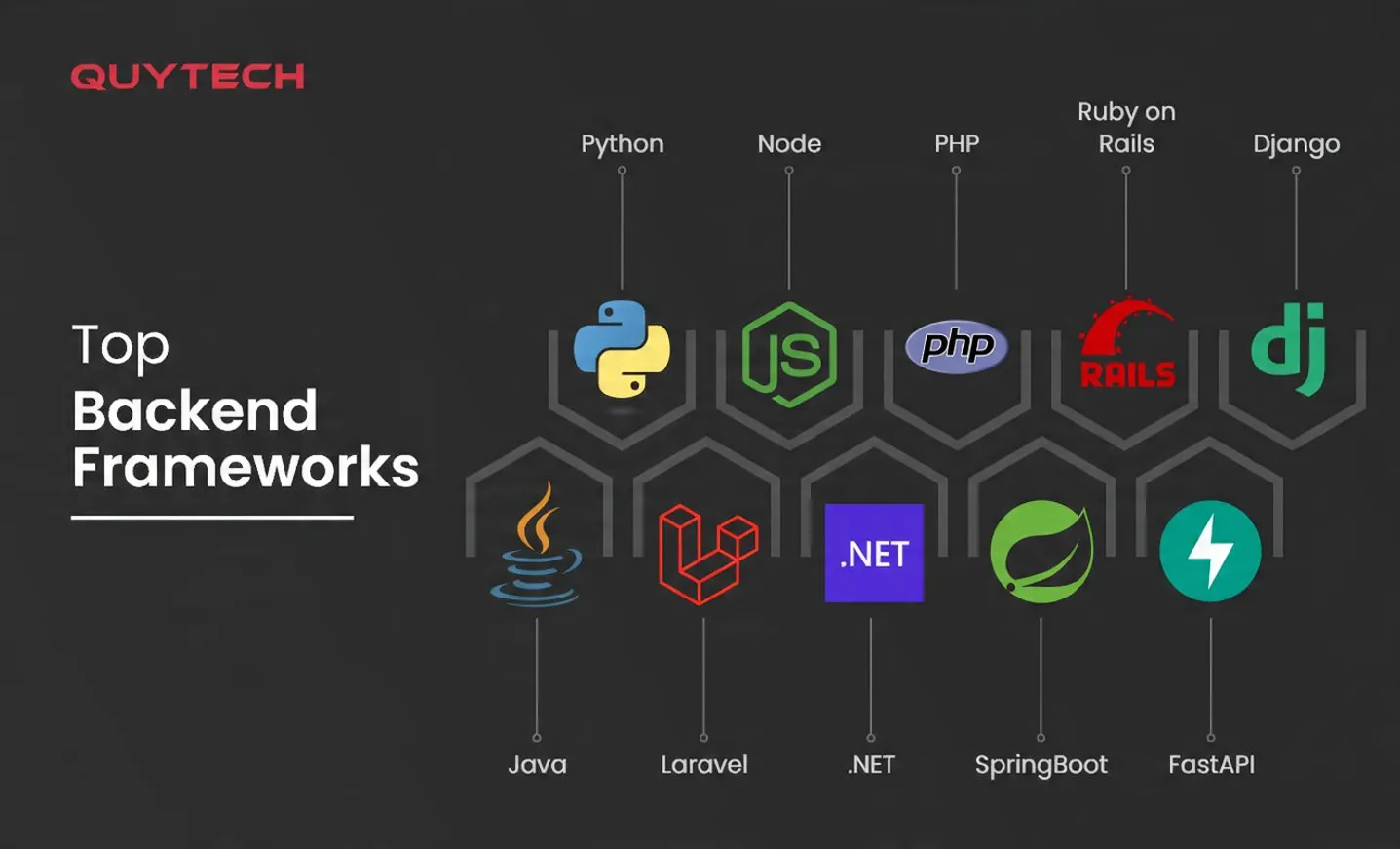
Whether you’re an experienced developer or just starting out, mastering the right backend frameworks can elevate your skills and open up exciting career opportunities. This list features the top 10 backend frameworks to learn in 2025, selected for their speed, scalability, community support, and relevance in modern tech stacks.
1. Node.js (with Express.js / NestJS)
Language: JavaScript / TypeScript
Overview:
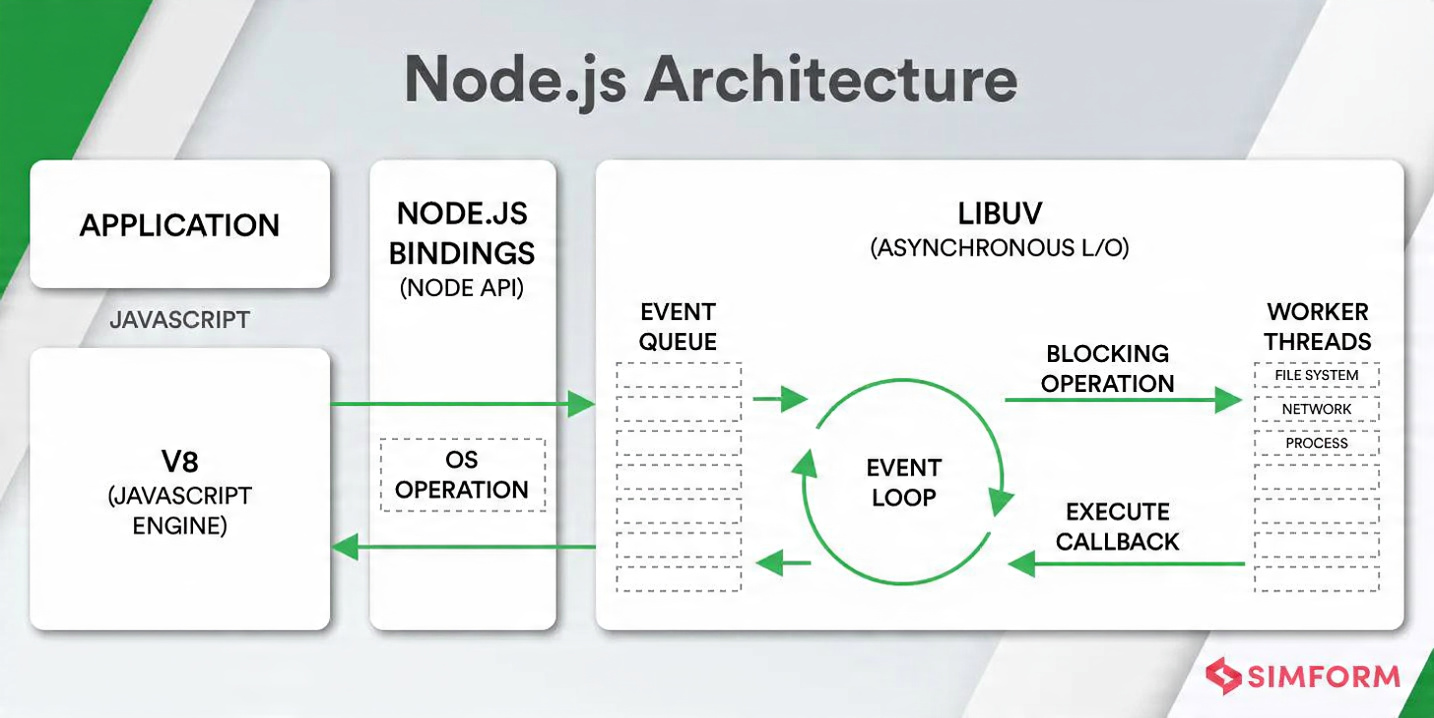
Node.js revolutionized backend development by letting developers use JavaScript on both client and server sides. Powered by Google’s V8 engine, it’s ideal for building scalable, real-time applications.
Why Learn It:
- Single language for full-stack apps
- Massive NPM ecosystem
- Handles asynchronous tasks easily
Best For: APIs, microservices, chat & streaming apps
Pro Tip: Use NestJS for enterprise-level apps — it adds structure and TypeScript power to Node.js.
2. Django (Python)
Language: Python
Overview:
Django is a high-level Python framework built for speed, security, and simplicity. It comes with everything — from ORM to authentication.
Why Learn It:
- Built-in security & admin panel
- Integrates with ML & AI tools
- Easy for beginners
Best For: CMS, e-commerce, dashboards
Pro Tip: Combine Django with DRF for scalable REST APIs.
3. Spring Boot (Java)
Language: Java
Overview:
Spring Boot simplifies enterprise app development with built-in configurations and robust microservice support.
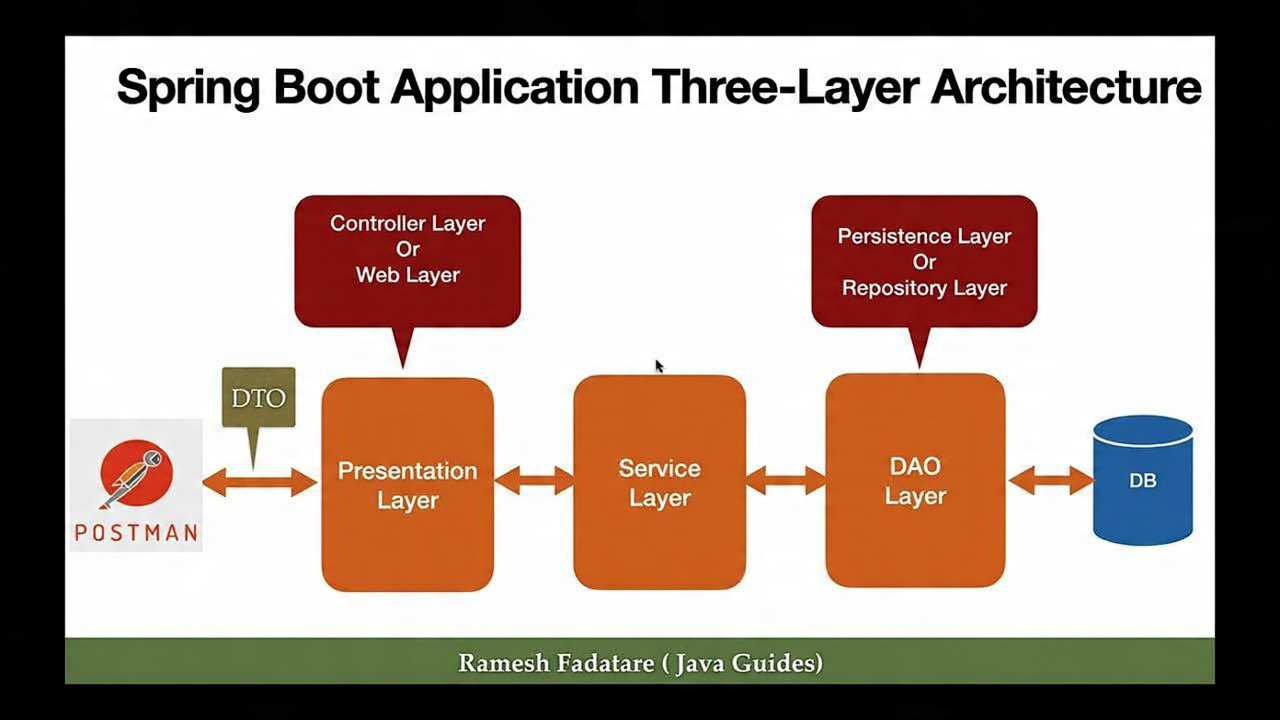
Why Learn It:
- Production-ready and secure
- Highly scalable for large apps
- Perfect for enterprise projects
Best For: Banking, fintech, e-commerce systems
Pro Tip: Learn Spring Boot + Docker + Kubernetes combo — in huge demand in 2025.
4. Laravel (PHP)
Language: PHP
Overview:
Laravel modernized PHP with elegant syntax and a clean MVC structure. It’s beginner-friendly and developer-loved.
Why Learn It:
- Easy setup & authentication
- Great community
- Rapid app development
Best For: CMS, small business sites, e-commerce
Pro Tip: Use Laravel Forge for easy cloud deployment.
5. Ruby on Rails (RoR)
Language: Ruby
Overview:
Rails focuses on Convention over Configuration, helping developers build apps faster with minimal setup.
Why Learn It:
- Fast MVP development
- Built-in testing tools
- Great for startups
Best For: SaaS, startups, content apps
Pro Tip: Used by Shopify, GitHub & Airbnb — still a strong career choice.
6. Flask (Python)
Language: Python
Overview:
Flask is a lightweight micro-framework that gives full control to developers — ideal for APIs and small projects.
Why Learn It:
- Simple and flexible
- Perfect for microservices
- Great for learning backend concepts
Best For: REST APIs, IoT, AI integrations
Pro Tip: Great starting point before moving to Django or FastAPI.
7. ASP.NET Core (C#)
Language: C#
Overview:
Microsoft’s ASP.NET Core is open-source and cross-platform — excellent for large-scale, high-performance applications.
Why Learn It:
- Strong security features
- Runs on Linux, macOS, Windows
- Integrates with Azure easily
Best For: Enterprise software, cloud APIs
Pro Tip: Combine with Blazor for full-stack C# development.
8. Go (Golang) – Gin / Fiber
Language: Go
Overview:
Go, built by Google, is known for its speed, concurrency, and efficiency, making it ideal for modern cloud services.
Why Learn It:
- Fast execution & scalability
- Great for distributed systems
- Growing DevOps ecosystem
Best For: Cloud apps, high-traffic APIs
Pro Tip: Go + Kubernetes = top stack for cloud-native apps.
9. Phoenix (Elixir)
Language: Elixir
Overview:
Phoenix is perfect for real-time, fault-tolerant systems — built on Erlang’s powerful concurrency model.
Why Learn It:
- Handles millions of connections
- Functional programming support
- Ideal for chat & live updates
Best For: Messaging apps, IoT, fintech
Pro Tip: Learn Elixir for a future in distributed systems.
10. FastAPI (Python)
Language: Python
Overview:
FastAPI is a modern async framework offering high speed and automatic documentation — great for modern APIs.
Why Learn It:
- Async support
- Type-safe with Pydantic
- Auto-generated Swagger docs
Best For: APIs, ML model serving, microservices
Pro Tip: Pair it with React/Vue for full-stack web apps.
How to Choose the Right Framework
Pick based on your language comfort, project type, and career goals:
- JavaScript → Node.js
- Python → Django / FastAPI
- Enterprise → Spring Boot / ASP.NET
- Cloud / High performance → Go
Best Practices to Master Backend Frameworks in 2025
Build real projects (APIs, Auth systems)
Learn architecture, ORM, and security
Explore Docker, CI/CD & cloud hosting
Join developer communities
Keep learning latest updates
❓ FAQs
Q1: Which is the best backend framework in 2025?
→ Node.js, Django, and Spring Boot dominate the market.
Q2: Which backend is fastest?
→ Go (Gin/Fiber) and FastAPI are top in performance.
Q3: Best backend for beginners?
→ Django or Node.js for easy learning and job scope.=
Helpful Links to Level Up Your Dev Skills
👉Full Stack Developer: Ultimate Beginner’s Guide to a Successful Career [2025 Edition]